
Radiant Barrier Installation Raleigh NC | What It Is & How It Works | Mallett Made Solutions
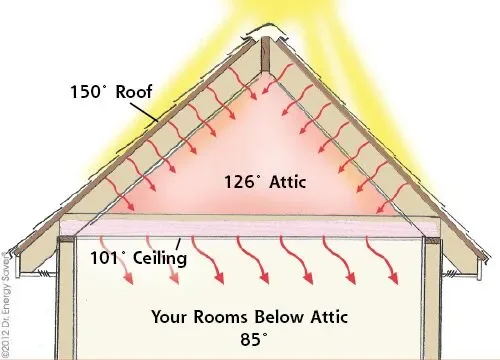
Mallett Made Solutions installs radiant barriers across the Triangle area — including Raleigh, Durham, Chapel Hill, Cary, and Carrboro, NC. North Carolina summers push attic temperatures well above 150°F, driving up cooling costs and making upper floors unbearably hot. A professionally installed radiant barrier reflects up to 97% of radiant heat before it transfers into your living space, reducing attic temperatures by as much as 30°F and cutting cooling costs by 15–30%. Our installation team has helped homeowners throughout Wake, Durham, and Orange counties stay cooler and spend less every summer. If you're dealing with high electric bills, uneven home temperatures, or an attic that runs dangerously hot, a radiant barrier is one of the highest-ROI upgrades available for Triangle-area homes — and Mallett Made is the Triangle's trusted installer.
What is Radiant Barrier Insulation?
With energy costs rising around the US and record breaking summer heat, home owners are looking for more efficient ways to cool down their spaces and save a buck.
One cost effective, energy efficient option that’s gaining popularity are radiant barriers.
Radiant barriers are thin, highly reflective layers of aluminum foil material typically installed in attics on the underside of roof joists, designed to reflect radiant heat away from the home and reduce cooling costs.
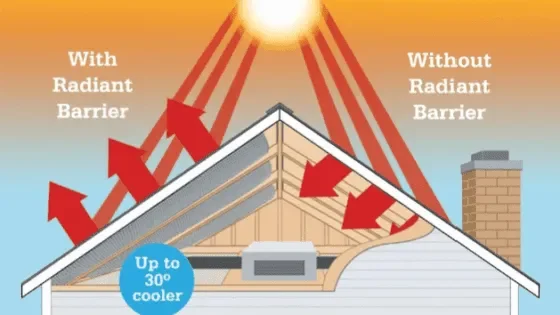
Unlike attic insulation which slows conductive heat, Radiant Barriers are designed to reflect up to 97% of radiant heat. Effectively lowering attic temperatures and reducing heat transfer from hot roof decks to attic insulation.
Where Should a Radiant Barrier Be Installed?
Attics
Radiant Barriers are most commonly installed in the attic where they are most effective at reflecting heat away from living spaces. The attic is the primary location because it is where the most significant difference between the temperature inside of the home and the outside temperature occurs.
Radiant barriers aren’t limited to attics—they can be installed on the underside of roofs, on ducting, walls, or beneath floors. The important factor is positioning the barrier to reflect the most heat, usually with the reflective side facing the direction the heat is coming from.
Ducting
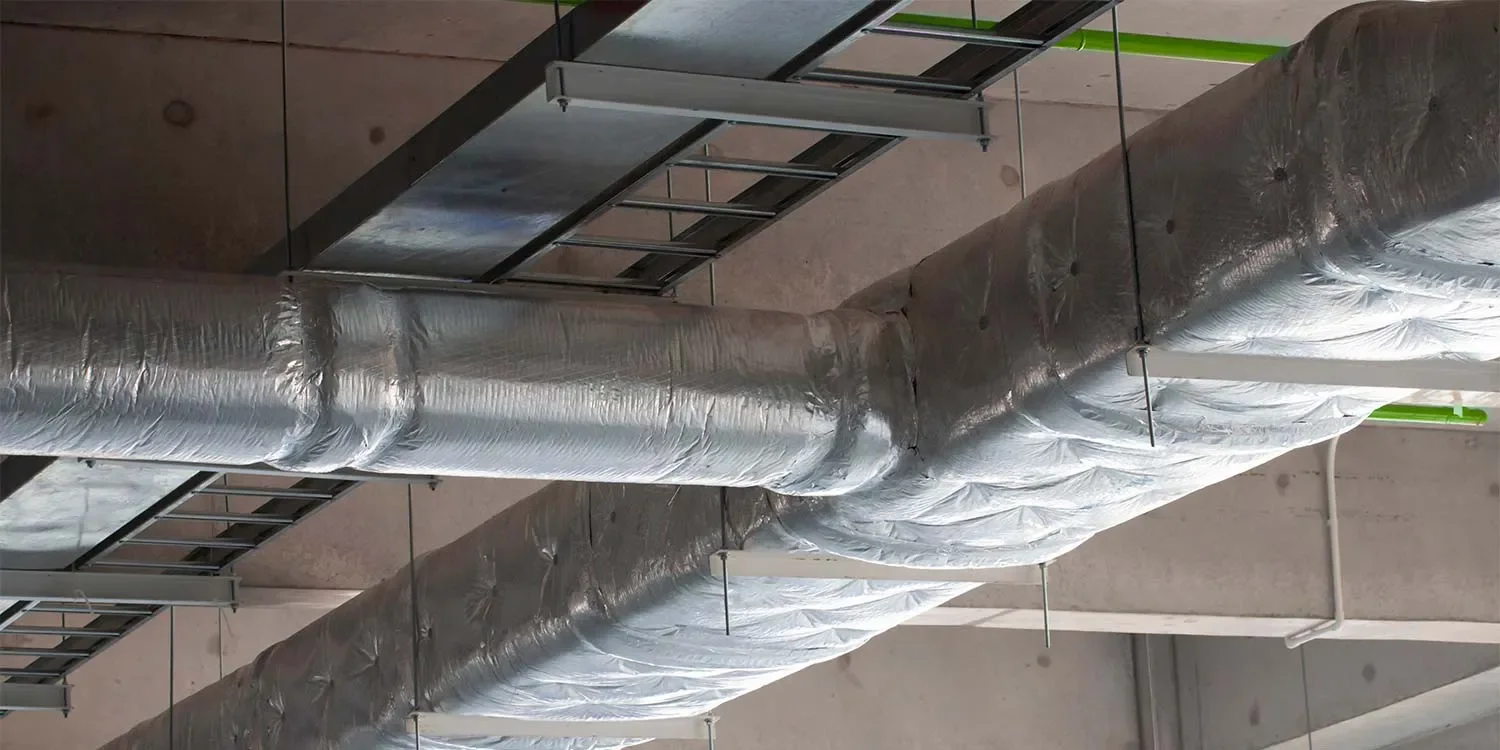
Radiant barriers and reflective insulation (for example, foil-bubble) can be wrapped around ducts and pipes—particularly in unconditioned spaces like attics and crawl spaces. By reflecting radiant heat away from these systems, they boost HVAC efficiency, cut energy loss, and reduce equipment run time.
Basements & Crawlspaces
Additionally, radiant barriers can be placed in basements or crawl spaces to reduce heat transfer into the ground. This is particularly useful for homes with radiant floor heating, since the barrier helps keep heat moving upward into the living spaces rather than sinking into the soil.
How Effective Are Radiant Barriers?
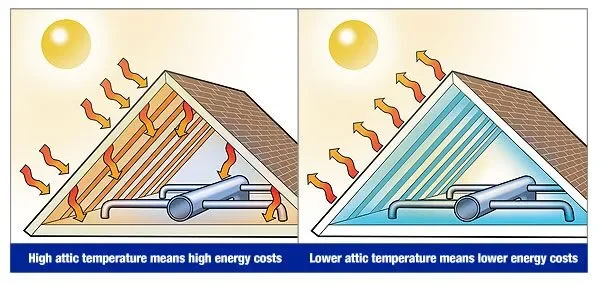
When installed correctly, Radiant Barriers can reduce the attic temperature by up to 30 degrees, significantly lowering the amount of heat transferred into the home, lowering your cooling costs by up to 30%.
However, its effectiveness can be influenced by a few factors such as:
Climate- Radiant Barriers are valuable in both hot or cold climates
Building Design- Homes with Large Attics or Vaulted ceilings see significantly more benefit
Existing Insulation- Homes with already poor insulation tend to see larger improvements with the installation of a radiant barrier.
Cost & Lifespan
Costs vary widely depending on project size and complexity. DIY installation can reduce labor expenses, but it demands careful planning and precise execution to be effective. For larger or more complicated jobs, professional installation is often the safer choice to ensure the barrier is fitted correctly and performs optimally over decades.
Radiant barrier installations can last 20–30 years when done right — a long-term, energy-saving upgrade for your home. Homeowners may also qualify for ENERGY STAR tax incentives of up to $1,200 for eligible radiant barrier work, making this an even more cost-effective improvement.
At Mallett Made - Solutions, we’re available to guide you through every step — from evaluating eligibility for incentives to planning and executing the installation. Whether you’re tackling a straightforward DIY project or need a full professional installation, we’ll help maximize longevity and performance so you get the best return on your investment. Schedule a consultation today to discuss options tailored to your home.
Frequently Asked Questions
Click any question to expand
Absolutely — and NC's climate makes it one of the most effective attic upgrades available. Triangle-area attics regularly hit 140–150°F in summer, creating a radiant heat problem that insulation alone can't fully solve. Radiant barriers reflect up to 97% of radiant heat before it enters your living space, reducing attic temps by up to 30°F. Most Triangle homeowners see 15–30% reductions in cooling costs.
Most Triangle-area homes run between $1,200–$2,800 depending on attic size, layout, and existing insulation. Contact Mallett Made at (919) 971-9765 for a free on-site assessment and exact quote. You can also estimate your ROI using our free savings calculator.
They work differently and ideally work together. Standard insulation (fiberglass, cellulose, spray foam) slows heat transfer by absorbing it. A radiant barrier reflects radiant heat before it's absorbed in the first place — addressing the #1 source of summer heat gain in NC homes that insulation alone can't handle as effectively.
A professionally installed radiant barrier lasts 20–30 years with no maintenance required. Unlike insulation, it doesn't compress, settle, or degrade over time. The aluminum foil material retains its reflective properties for the life of the home.
In most Triangle-area homes, radiant barriers go in the attic — stapled to the underside of roof rafters or laid over existing attic floor insulation. Duct systems in unconditioned attics also benefit significantly from radiant barrier wrapping. We'll assess your specific attic during a free consultation and recommend the optimal placement.
Radiant barriers may qualify for the Federal Energy Efficient Home Improvement Credit (25C), which currently covers up to 30% of eligible installation costs. NC residents may also qualify for Duke Energy or Dominion Energy utility rebates. Confirm current eligibility with a tax professional. Use our ROI calculator to estimate your post-credit savings.
Most residential installs are completed in 4–8 hours for an average Triangle-area home. Larger homes or complex attic layouts may require a full day. We work cleanly with minimal disruption to your household.
No. In most cases, radiant barriers are installed on top of or alongside your existing insulation — not as a replacement. This makes installation faster and cleaner with no disposal costs involved.
Contact us
Interested in working together? Fill out some info and we will be in touch shortly. We can’t wait to hear from you!